
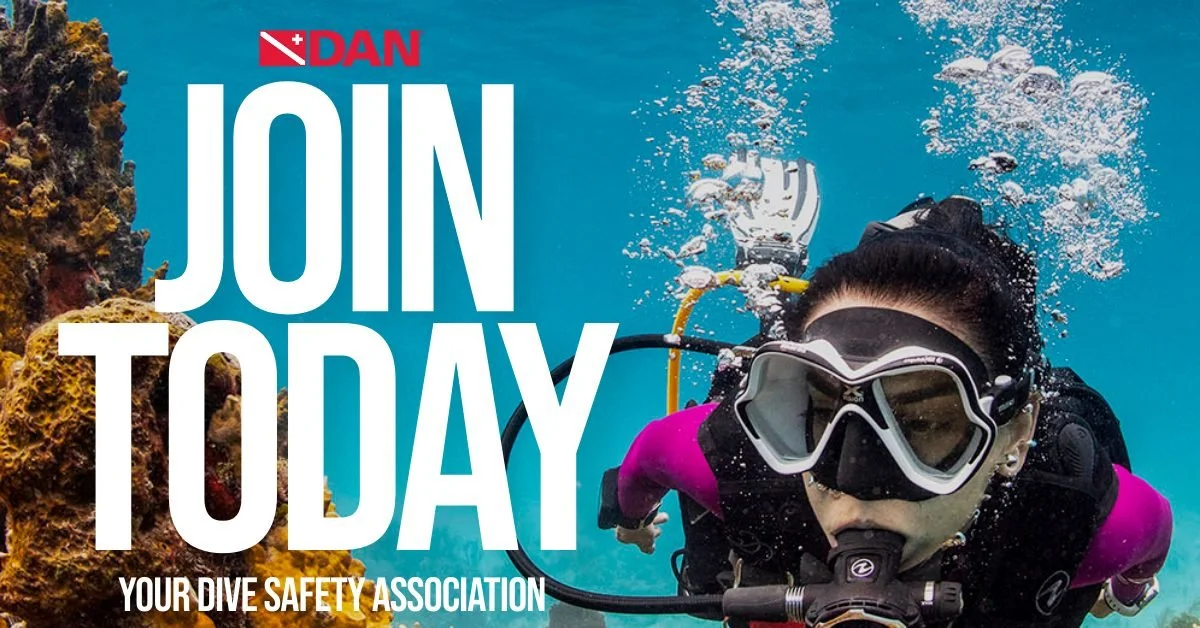
DAN is widely considered the best dive medicine and dive insurance organization in the world
Have you ever asked yourself, is diving insurance actually worth it? The question comes up from time to time and I think it’s best to take a look at it together.
So, is diving insurance worth it? I would say without any hesitation, yes. Diving insurance is worth every penny. Don’t get me wrong, I’ve gone diving without it. There were several years when I was just going to my local spot and I didn’t see the need for it, however looking back even though nothing negative ever happened, I still should have had insurance.
So what makes it worth it? Let’s get specific, I’m not talking about any insurance, I’m talking about DAN insurance. The Divers Alert Network (DAN) insurance is widely considered the "gold standard" for anyone who scuba dives, from casual vacationers to pros alike. Since scuba diving involves unique medical risks that standard health insurance often excludes, DAN serves as a critical safety net. Also, DAN is a non-profit organization. When you buy a membership, your money doesn't just go to a corporate bottom line; it funds dive safety research, medical studies, and the 24/7 hotline that benefits the entire global diving community.
Here are just a few reasons why DAN insurance is a necessity:
1. Most Health Insurance Excludes "Hazardous Activities"
Many standard medical insurance policies have "hazardous activity" exclusions. If you are injured while diving, your primary provider may deny the claim entirely. Even if they do cover it, they often lack the network to handle international claims or specialized treatments like hyperbaric oxygen therapy.
2. Hyperbaric Chamber Costs are Astronomical
The primary treatment for Decompression Sickness (DCS) is a recompression chamber. These treatments are specialized, rare, and incredibly expensive—often ranging from $500 to $1,000+ per hour, plus physician fees and hospital stays. A single incident can easily result in a bill exceeding $30,000. DAN insurance is designed specifically to cover these 100% (depending on the plan).
3. Specialized Medical Evacuation
If you are diving in a remote location (like the Maldives, Fiji, or a remote Caribbean island) and need to be evacuated to a hospital with a chamber, the cost of a private medevac plane can exceed $50,000 easily.
5. Secondary Coverage Benefits
DAN insurance typically acts as secondary coverage, meaning it picks up the "leftovers" that your primary insurance won't touch.
4. 24/7 Expert Hotline
In a dive emergency, a local ER doctor may not have any experience with dive medicine. DAN provides a 24/7 Emergency Hotline staffed by doctors and specialists who speak "dive." They can consult with local medical staff to ensure you get the right treatment and coordinate your evacuation to the nearest functional chamber.
Now I hope you can see why having DAN insurance is a good idea, even if you’re just heading out occasionally to do a dive in your local spot. When you decide you would like to buy a policy for yourself use this link to help support Barbary Coast Divers.

